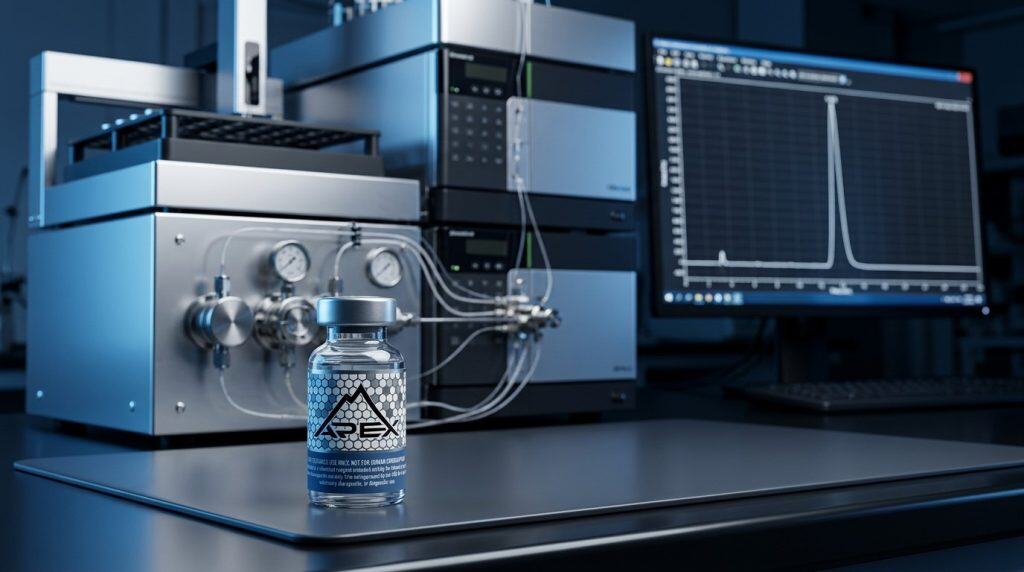
Just How To Keep Peptides: Handling & Storage Guidelines
Peptide Vials Guide: Storage, Managing & Usage Research peptides are delicate biological particles that can break down through several paths, including hydrolysis, oxidation, deamidation, and gathering, when exposed to unacceptable storage space problems. Unopened, lyophilized peptides preserve security for extended durations under appropriate conditions. The absence of water basically removes Sermorelin hydrolysis, the main destruction path for dissolved peptides. After adding water, stand up to every desire to drink the vial. Prior to liquifying these peptides, degas the buffer under minimized pressure to eliminate oxygen. SeekPeptides is the easiest method to find the right peptides for your goals. Science-backed prepare for faster recuperation, muscular tissue growth, anti-aging, fat loss, and much more. SeekPeptides gives members with detailed piling protocols that deal with compatibility, timing, and application factors to consider for preferred combinations. Repeated cold and thawing lowers security with time. Permits repeated vial access and minimizes microbial growth. Including solvent gradually is not mandatory, but it aids protect against frothing, which can reduce the dissolution process. Lug Certificates of Evaluation (COA), original tags, and acquisition receipts.
What negates peptides?
Salicylic acid''s scrubing action may undercut the peptides, decreasing their skin-repairing advantages. Suggestion: To prevent any communication, usage salicylic acid and peptide products at different times. As an example, incorporate salicylic acid in your early morning regimen and peptides in your evening regimen.
This evident potency loss has numerous possible causes. Immediate cloudiness after reconstitution recommends precipitation from thermal shock or pH incompatibility. If you hurried temperature level equilibration, this is the likely reason. Unfortunately, precipitated peptide seldom redissolves efficiently. A good storage space page must aid readers recognize just how temperature, dampness, light, and dealing with methods suit the more comprehensive high quality picture. Peptides are delicate molecules that can break down with various mechanisms including hydrolysis, oxidation, and aggregation. Inappropriate storage increases these procedures, possibly endangering your study information and squandering beneficial products. By following well-known storage space methods, you can substantially extend peptide service life and maintain consistent high quality throughout experiments.
Insulin syringes action in systems, where 100 systems equal 1mL.At minimum, clean your hands completely before managing peptide products.Don't forget to pack alcohol swabs, needles, and syringes for administering shots.Always consult your healthcare provider for certain directions associated with your prescribed peptide.With over 25+ years of experience and 100+ licenses, we provide tailored vial filling up options-- including ceramic pump filling systems, GMP-compliant cleaning tunnels, and totally automated capping stations.
These injury recovery peptides sustain tissue repair service, minimize inflammation, and speed up recovery processes. Reconstituting with 1mL creates a 10,000 mcg/mL concentration. A 250mcg dose would call for attracting simply 0.025 mL, or 2.5 devices. A laboratory layer shields your clothes from prospective spills and lowers the quantity of ecological particles that enters your work space from your person. Closed-toe shoes and long trousers round out fundamental lab attire.
Avoiding Usual Solubilization Errors
While logical testing gives clear-cut quality evaluation, aesthetic assessment catches noticeable issues before you spend time in reconstitution. Genuine suppliers evaluate their products and paper outcomes. Providers who can not or will not supply logical information need to be avoided. You can adhere to every procedure perfectly and still obtain bad results if your starting product is substandard.
Preventing Rubber Stopper Coring
The devices you need, the errors to prevent, and the repairing steps when something fails. Whether you're new to research peptides or aiming to optimize your existing protocols, the info here will transform exactly how you come close to every vial that crosses your bench. Amount of peptide in each Click here for more vial as determined by amino acid evaluation in twofield laboratories in 2015. Amount of peptide in each vial as determined by amino acid analysis perSRM ® 8327 bundle insert. Reconstituted peptides are generally kept cooled, safeguarded from light, and secured thoroughly in between uses. Peptides including 50% and even more hydrophobic or nonpolar deposits as above might be insoluble or only partially soluble in aqueous options. In this case, dissolve the hydrophobic peptides in a small volume of 50% (v/v) DMSO, DMF or acetonitrile in water initially. Appropriate peptide handling is a financial investment in study top quality. By comprehending stability principles and applying consistent treatments, you secure beneficial research study materials and make certain reproducible results. Shop peptides long term as lyophilized powders in a desiccator at -20 ° C. Lyophilized peptides need to be saved desiccated at -20 ° C or lower, shielded from light and oxygen, to ensure security for numerous years. Prevent subjecting recombinant peptides to heats or straight sunshine, as these problems can accelerate the degradation process. Always store your peptides in opaque or amber vials or containers to protect them from the dangerous results of light direct exposure [3] These particular containers are made to prevent destructive UV rays from damaging your priceless samples. Think of the vials' capacity to obstruct light and viability for your particular peptide samples while picking them. If you want to protect peptides for an extended period of time, commonly more than 6 months then Freezing at -20 ° C( -4 ° F)or below is appropriate [2] Care must be taken, however, with the variety of freeze-thaw cycles given that the exposure to ice crystals may disrupt the fragile peptide framework. To reduce this threat, take into consideration splitting your peptide samples right into smaller sized aliquots before cold, just thawing each time the amount you require per experiment.